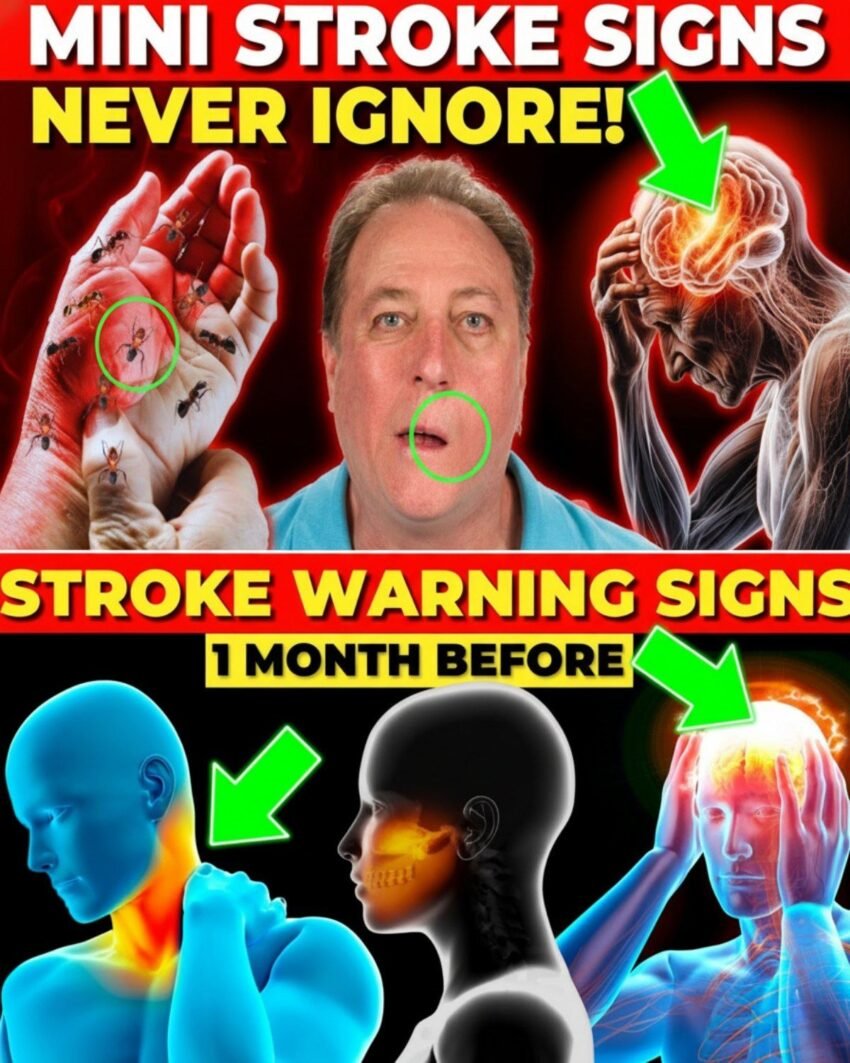
8 Signs of Mini Strokes in Elderly (Don’t Ignore These!)
A “mini stroke” is medically known as a Transient ischemic attack (TIA). It happens when blood flow to part of the brain is temporarily blocked. Symptoms may last only minutes to hours — but it is a serious warning sign of a future full stroke.
In older adults, recognizing these symptoms quickly can be life-saving.
1. Sudden Weakness on One Side of the Body
- Arm or leg feels heavy
- One side of the face droops
- Trouble lifting one arm
Even if it improves quickly, this is an emergency warning sign.
2. Slurred or Confused Speech
- Words come out unclear
- Trouble forming sentences
- Difficulty understanding others
Speech changes are one of the most common TIA symptoms.
3. Sudden Vision Problems
- Blurred vision
- Double vision
- Temporary loss of sight in one eye
Vision changes that appear suddenly should never be ignored.
4. Dizziness or Loss of Balance
- Sudden unsteadiness
- Trouble walking
- Loss of coordination
In elderly individuals, this is sometimes mistaken for normal aging — but abrupt onset is concerning.
5. Severe, Sudden Headache
A sudden intense headache without a known cause may signal a vascular issue in the brain.
6. Numbness or Tingling on One Side
- Face
- Arm
- Leg
Especially if it happens abruptly and affects only one side.
7. Confusion or Memory Difficulty
- Sudden disorientation
- Trouble recognizing familiar places
- Difficulty following simple instructions
This can be subtle but significant.
8. Brief Loss of Consciousness or Fainting
Although less common, temporary loss of awareness may occur and requires urgent evaluation.
Why You Should Not Ignore These Symptoms
A TIA is often called a “warning stroke.” The risk of a full stroke is highest within the first 48 hours after a TIA. Immediate medical evaluation can prevent permanent brain damage.
What to Do Immediately
Use the FAST method:
- Face drooping
- Arm weakness
- Speech difficulty
- Time to call emergency services
Even if symptoms disappear, seek medical care immediately.
Important Note
Older adults with high blood pressure, diabetes, high cholesterol, or heart disease are at increased risk. Early treatment can significantly reduce the chance of a major stroke.
If you would like, I can also provide prevention tips for reducing stroke risk in seniors.