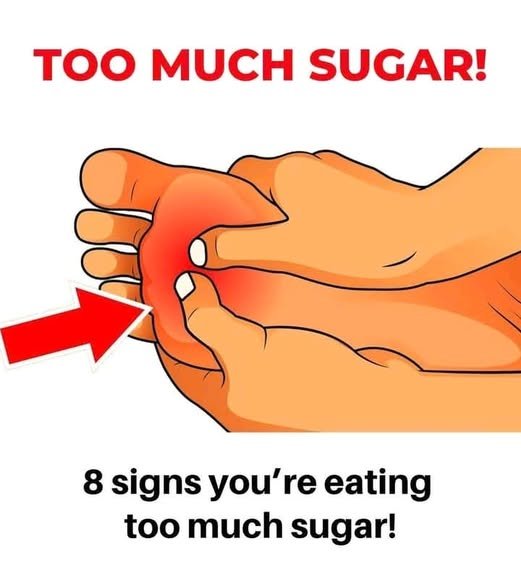
Here are 8 common nighttime signs of high blood sugar:
1. Frequent Urination (Nocturia)
If you’re waking up multiple times to urinate, high blood sugar may be the cause. Excess glucose in the bloodstream pulls water from tissues, leading to increased urine production.
2. Excessive Thirst
Feeling very thirsty at night—especially after waking to urinate—can be a sign your body is trying to replace lost fluids.
3. Dry Mouth or Sticky Feeling
High glucose levels can reduce saliva production, causing dry mouth or a coated tongue sensation while sleeping.
4. Night Sweats
Although more common with low blood sugar, some people with poorly controlled diabetes report sweating during the night when glucose levels fluctuate.
5. Restless or Poor Sleep
Elevated blood sugar can make it harder to fall or stay asleep. You may feel hot, uncomfortable, or wired.
6. Headaches in the Late Evening or Early Morning
Persistent high glucose overnight can lead to morning headaches.
7. Blurred Vision Before Bed
Excess sugar can cause fluid shifts in the lenses of your eyes, temporarily affecting vision—especially noticeable in the evening.
8. Fatigue Despite Sleeping
If blood sugar stays high overnight, you may wake up feeling exhausted even after 7–8 hours in bed.
Why Symptoms Can Worsen After 10 PM
-
Hormonal changes: The body releases growth hormone and cortisol overnight, which can raise blood sugar.
-
Late-night eating: Carbohydrate-heavy snacks close to bedtime may spike glucose.
-
Dawn phenomenon: Early-morning hormone surges naturally increase blood sugar between 2 AM and 8 AM.
When to Be Concerned
Seek medical advice if you notice:
-
Consistently high readings (e.g., above 180 mg/dL or 10 mmol/L)
-
Nausea or vomiting
-
Fruity-smelling breath
-
Confusion or extreme weakness
These may signal serious complications such as diabetic ketoacidosis (more common in type 1 diabetes).
If you’d like, I can also explain how to tell the difference between high and low blood sugar symptoms at night, since they can sometimes overlap.