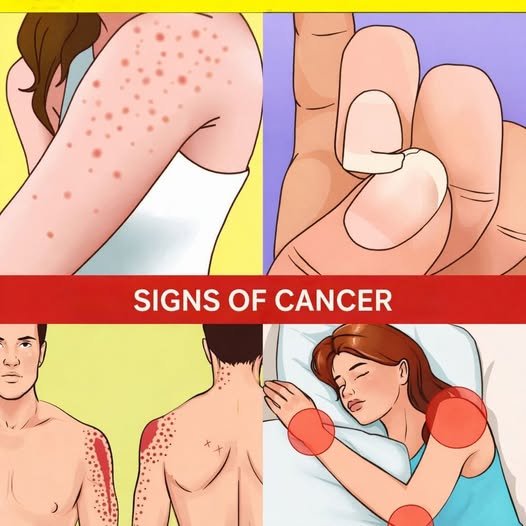
12 Early Warning Signs That Your Body May Be Developing Cancer Cells
Detecting cancer early significantly increases the chances of successful treatment. While these signs do not automatically indicate cancer, they are signals that something may be off in the body. Paying attention to persistent or unusual changes and consulting a healthcare professional promptly is crucial.
1. Unexplained Weight Loss
Sudden, unexplained weight loss—especially 10 pounds or more—can be an early warning sign of cancers such as stomach, pancreatic, or lung cancer.
2. Persistent Fatigue
Chronic tiredness that doesn’t improve with rest may indicate blood cancers like leukemia or other underlying conditions.
3. Unusual Lumps or Swellings
New lumps in the breast, testicles, neck, or other areas, even if painless, should be evaluated by a doctor.
4. Changes in Skin
Darkening, yellowing, redness, persistent sores, or changes in moles may indicate skin cancer or internal health issues.
5. Persistent Cough or Hoarseness
A cough that lasts several weeks or unexplained hoarseness can signal lung, throat, or thyroid cancers.
6. Difficulty Swallowing
Pain or trouble swallowing may point to esophageal or throat cancer.
7. Changes in Bowel or Bladder Habits
Blood in stool or urine, constipation, diarrhea, or frequent urination may indicate colorectal, bladder, or kidney cancer.
8. Persistent Pain
Unexplained pain in bones, back, or abdomen can sometimes signal bone, pancreatic, or ovarian cancer.
9. Unexplained Fever or Night Sweats
Frequent fevers or heavy night sweats may be linked to blood cancers like leukemia or lymphoma.
10. Unusual Bleeding
Unexpected bleeding from the vagina, nipples, rectum, or in coughs should not be ignored.
11. Non-Healing Sores
Mouth ulcers, skin sores, or wounds that don’t heal may indicate skin, oral, or other cancers.
12. Recurrent Infections
Frequent infections can be a sign of a weakened immune system, sometimes due to blood cancers or other underlying conditions.
Key Takeaway
While many of these signs can be caused by conditions other than cancer, persistent or unusual symptoms warrant medical attention. Early detection through self-awareness, regular screenings, and prompt consultation with a healthcare provider is essential for improving outcomes.