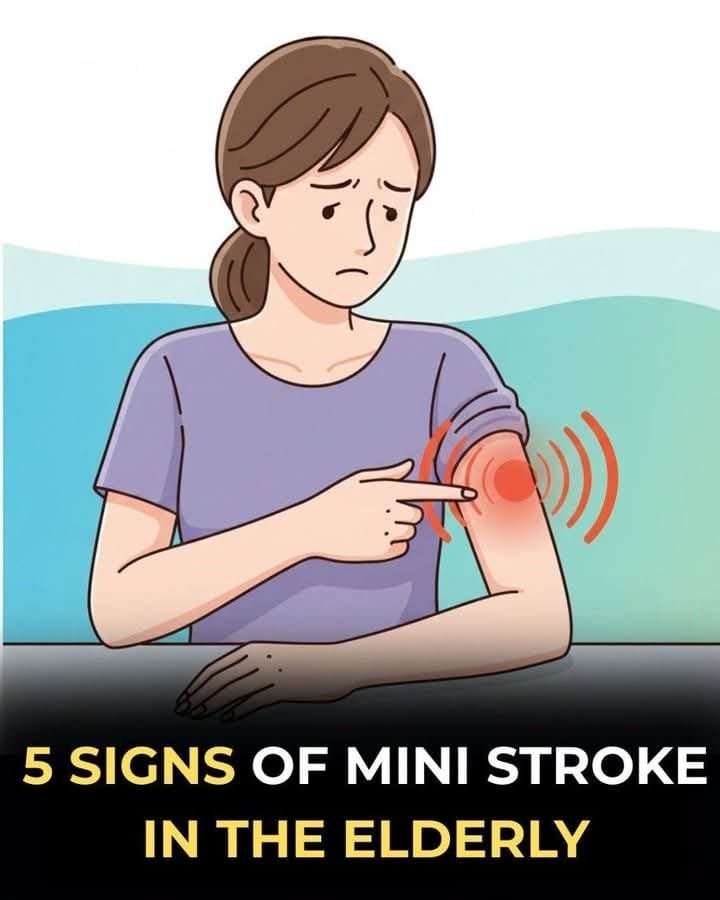
5 Signs of a Mini Stroke (TIA) in the Elderly
A mini stroke, also called a Transient Ischemic Attack (TIA), occurs when blood flow to part of the brain is temporarily blocked. Symptoms are short-lived, often lasting only a few minutes to an hour, but recognizing them is crucial because a TIA can be a warning sign of a future stroke.
1. Sudden Weakness or Numbness
One side of the body—face, arm, or leg—may feel weak, numb, or heavy. This can appear suddenly and may resolve within minutes.
2. Trouble Speaking or Understanding Speech
Slurred speech, difficulty finding words, or confusion can occur. Elderly individuals may struggle to communicate or comprehend simple sentences.
3. Sudden Vision Changes
Temporary vision loss, blurred vision, or double vision in one or both eyes can indicate a mini stroke.
4. Loss of Balance or Coordination
Sudden dizziness, unsteadiness, or difficulty walking may occur. Elderly patients may seem clumsy or have trouble with simple movements.
5. Severe Headache or Facial Drooping
Some TIAs cause a sudden, severe headache, and facial drooping may be noticeable on one side of the face, especially when smiling or speaking.
What to Do
-
Even if symptoms resolve quickly, seek emergency medical care immediately. TIAs are often precursors to a full stroke.
-
Doctors may perform imaging tests and recommend medications or lifestyle changes to reduce stroke risk.
Key Takeaway
Recognizing the signs of a mini stroke in the elderly can save lives and prevent serious brain damage. Early intervention is critical—never ignore sudden neurological changes.