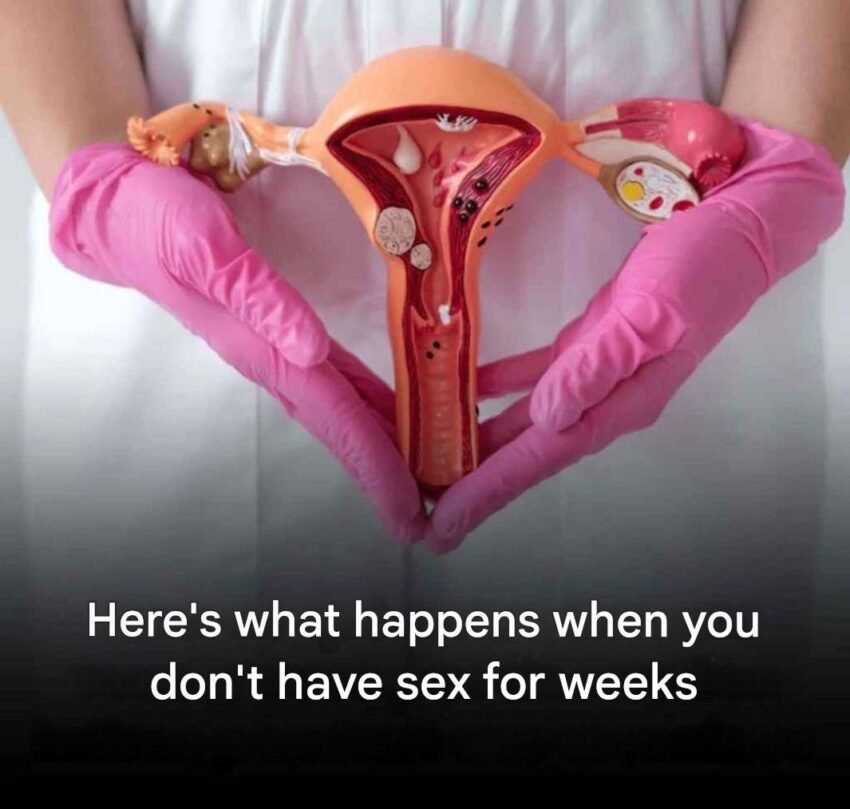
A prolonged absence of intimate relations can have psychological, emotional, relational, and even physical consequences, though the impact varies a lot depending on the person, the reason for the absence, and whether it’s chosen or imposed.
Here’s a clear, balanced breakdown.
1. Psychological & Emotional Effects
Loneliness and emotional deprivation
Intimacy isn’t just physical—it’s also about feeling desired, connected, and emotionally seen. When that’s missing for a long time, people may experience:
- Increased feelings of loneliness or isolation
- Sadness or low mood
- A sense of being disconnected from others
Reduced self-esteem or self-worth
For some, especially when intimacy is tied to validation or bonding:
- People may begin to question their attractiveness or desirability
- Confidence can decline, particularly if the absence feels like rejection rather than choice
Stress and frustration
Sexual intimacy can be a stress reliever. Without it:
- Stress and tension may build up
- Irritability or restlessness can increase
2. Relationship Consequences (If in a Partnership)
Emotional distance
When intimacy fades:
- Couples may feel more like roommates than partners
- Communication can become more transactional
Increased conflict or resentment
Unmet needs—especially unspoken ones—can lead to:
- Frustration
- Passive resentment
- Misunderstandings or emotional withdrawal
Risk of infidelity or detachment
In some cases, prolonged deprivation can:
- Increase temptation to seek connection elsewhere
- Lead one or both partners to emotionally disengage
3. Physical & Health-Related Considerations
Hormonal and physiological changes
Regular intimacy can influence:
- Oxytocin (bonding hormone)
- Endorphins (mood and pain regulation)
A prolonged absence may reduce these benefits, potentially affecting mood and stress levels.
Sleep and immune function
Intimacy can support better sleep and immune response. Without it:
- Sleep quality may decline for some people
- Stress-related immune suppression may increase
(Important note: absence of intimacy does not cause illness by itself, but it can remove protective effects.)
4. Social and Behavioral Effects
- Some people become more socially withdrawn
- Others may compensate with work, substances, or distractions
- In some cases, emotional numbing or avoidance develops as a coping strategy
5. When Absence Is Chosen vs. Unchosen
This distinction matters a lot:
- Chosen abstinence (personal values, healing, focus, or spiritual reasons) often comes with little to no negative impact, and may even bring clarity or growth.
- Unchosen absence (rejection, relationship breakdown, illness, long-distance separation) is more likely to cause distress, frustration, or grief.
6. Potential Positive Outcomes (Yes, There Can Be Some)
For certain individuals, a break from intimacy can:
- Encourage self-reflection and emotional independence
- Reduce pressure or performance anxiety
- Allow healing from past trauma or unhealthy dynamics
In Summary
A prolonged absence of intimate relations can affect emotional well-being, stress levels, self-esteem, and relationship health—especially when the absence is unwanted or unaddressed. However, its impact is highly individual, and open communication, emotional connection, and healthy coping strategies can significantly reduce negative effects.
If you want, I can tailor this to:
- a romantic relationship
- marriage
- long-distance separation
- medical or mental health causes
- or cultural/religious contexts
Just tell me the angle you’re exploring.