That’s an important topic—and one that doesn’t get talked about nearly enough. Here’s a clear, approachable piece you can use for an article, blog, or awareness post:
Women Should Know About Endometriosis: Symptoms, Causes, and Management
Endometriosis is a chronic condition that affects millions of women worldwide, yet it’s often misunderstood and underdiagnosed. Many women live with symptoms for years before receiving answers. Understanding endometriosis can empower women to seek timely care and advocate for their health.
What Is Endometriosis?
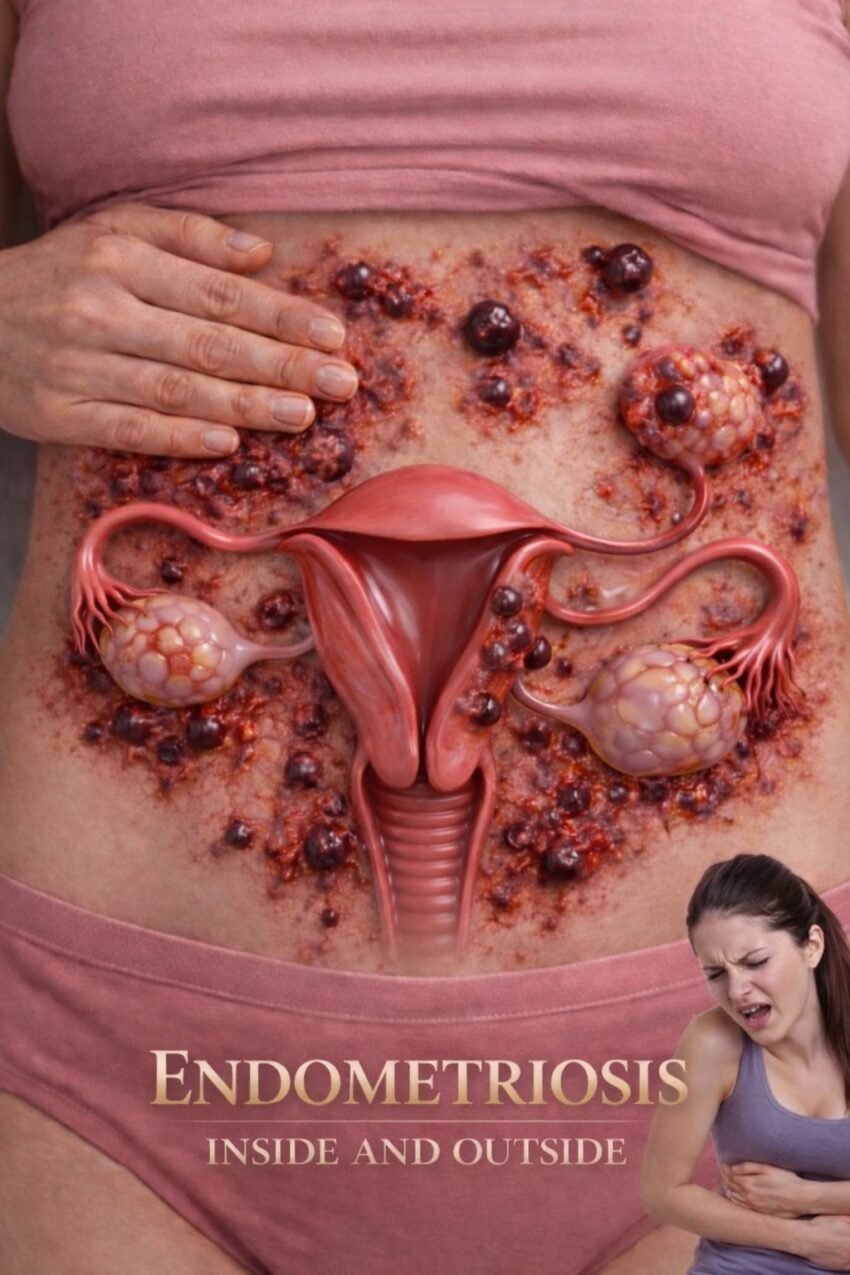
Endometriosis occurs when tissue similar to the lining of the uterus (endometrium) grows outside the uterus—commonly on the ovaries, fallopian tubes, pelvic lining, or intestines. This tissue responds to hormonal changes during the menstrual cycle, causing inflammation and pain.
Common Symptoms
Symptoms vary from person to person, but the most common include:
- Severe menstrual cramps that worsen over time
- Chronic pelvic or lower back pain
- Pain during or after sex
- Heavy or irregular periods
- Painful bowel movements or urination during menstruation
- Fatigue, bloating, nausea
- Difficulty getting pregnant
Some women experience mild symptoms, while others find daily life significantly affected.
Possible Causes and Risk Factors
The exact cause of endometriosis is still unknown, but several factors may play a role:
- Retrograde menstruation, where menstrual blood flows backward into the pelvis
- Hormonal imbalances, particularly excess estrogen
- Immune system dysfunction, which may fail to eliminate misplaced tissue
- Genetic factors, as endometriosis can run in families
- Previous pelvic surgery, such as C-sections
How Endometriosis Is Diagnosed
Diagnosis can be challenging. Doctors often begin with symptom history, pelvic exams, ultrasounds, or MRIs. The only definitive diagnosis is through laparoscopy, a minimally invasive surgical procedure.
Management and Treatment Options
While there is no cure, endometriosis can be managed effectively:
Medical Treatments
- Pain relievers (NSAIDs)
- Hormonal therapies (birth control pills, progestins, IUDs)
- Gonadotropin-releasing hormone (GnRH) agonists or antagonists
Surgical Options
- Laparoscopic removal or destruction of endometrial lesions
- In severe cases, hysterectomy may be considered
Lifestyle and Supportive Care
- Regular gentle exercise
- Anti-inflammatory or balanced diets
- Stress management and adequate sleep
- Pelvic floor physical therapy
- Support groups and counseling
When to See a Doctor
If menstrual pain interferes with daily activities, work, or relationships—or if symptoms are worsening—it’s important to seek medical care. Early diagnosis can help prevent complications and improve quality of life.
The Takeaway
Endometriosis is real, common, and often invisible. Greater awareness helps reduce stigma and delays in diagnosis. If something feels “not normal,” trust your body and speak up—your pain deserves to be taken seriously.
If you’d like this shortened for social media, simplified for teens, or expanded with statistics and expert quotes, I can tailor it for you.