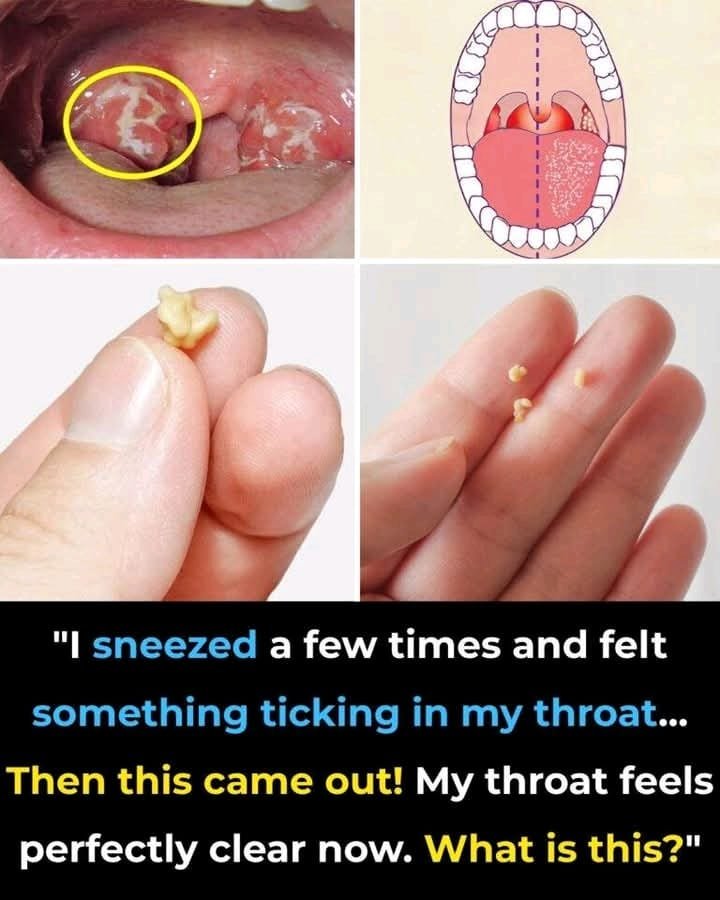
Here’s What You Need to Know About Tonsil Stones
Tonsil stones, also known as tonsilloliths, are a common but often misunderstood condition. While they are usually harmless, they can cause discomfort and concern for those who experience them. Understanding what tonsil stones are, why they form, and how to manage them can help reduce symptoms and prevent recurrence.
What Are Tonsil Stones?
Tonsil stones are small, hardened deposits that form in the crevices (crypts) of the tonsils. They are made up of trapped debris such as food particles, dead cells, mucus, and bacteria. Over time, this material calcifies, forming visible white or yellowish stones.
Why Tonsil Stones Form
Tonsil stones develop when debris becomes trapped in enlarged or deep tonsillar crypts. Contributing factors include:
-
Poor oral hygiene
-
Chronic inflammation of the tonsils
-
Recurrent sinus infections or postnasal drip
-
Dry mouth
-
Smoking
Not everyone with these factors will develop tonsil stones, but they increase the likelihood.
Common Symptoms
Many tonsil stones cause no symptoms and are discovered incidentally. When symptoms do occur, they may include:
-
Persistent bad breath
-
Sore throat
-
A sensation of something stuck in the throat
-
Difficulty swallowing
-
Ear pain (referred pain)
-
Visible white or yellow spots on the tonsils
Are Tonsil Stones Dangerous?
Tonsil stones are generally not dangerous and do not usually lead to serious health problems. However, large or recurrent stones can cause ongoing discomfort and may contribute to chronic tonsillitis.
Medical evaluation is recommended if symptoms are severe, recurrent, or accompanied by fever, swelling, or significant pain.
How Tonsil Stones Are Treated
At-Home Management
-
Gargling with warm salt water
-
Practicing good oral hygiene, including brushing the tongue
-
Staying well hydrated
-
Using a water flosser on a low setting (with caution)
Medical Treatment
-
Manual removal by a healthcare professional
-
Treatment of underlying infections or inflammation
-
In rare cases, tonsillectomy for severe, recurrent problems
How to Prevent Tonsil Stones
-
Brush and floss regularly
-
Clean the tongue daily
-
Gargle after meals
-
Treat nasal congestion and postnasal drip
-
Avoid smoking
-
Maintain adequate hydration
When to See a Doctor
You should seek medical advice if you experience:
-
Frequent or painful tonsil stones
-
Persistent sore throat
-
Difficulty swallowing or breathing
-
Signs of infection such as fever or swelling
Conclusion
Tonsil stones are a common condition that can often be managed with good oral hygiene and simple preventive measures. While they are usually harmless, persistent or troublesome symptoms should be evaluated by a healthcare professional to ensure proper treatment and rule out other conditions.
If you want this adapted for patient education, social media, or a more clinical audience, I can revise it accordingly.