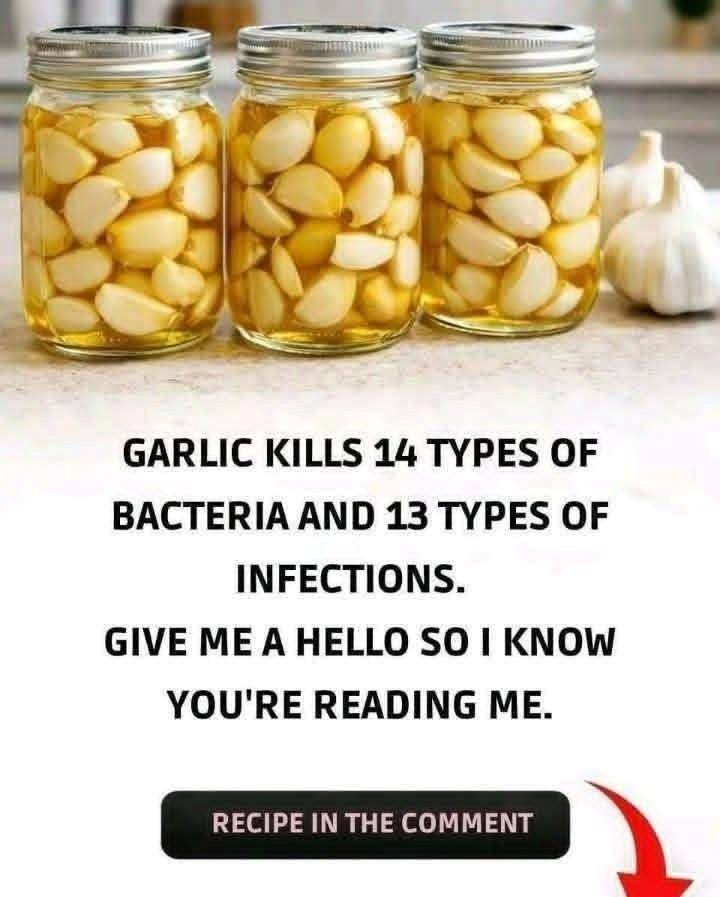
Below is a full, well-structured article with proper headings, written in a clear, educational tone, and no emojis.
Garlic: The Natural Antibiotic That Wages War on Infections
Garlic has been used for centuries in traditional medicine and cuisine, often praised for its ability to fight infections. Modern science confirms that garlic contains powerful bioactive compounds with antimicrobial properties. While it is not a replacement for prescription antibiotics, garlic can play a supportive role in maintaining immune health and helping the body defend itself against certain pathogens.
Why Garlic Is Often Called a “Natural Antibiotic”
Garlic earned this reputation because of its ability to inhibit the growth of bacteria, viruses, fungi, and parasites in laboratory and clinical studies. Unlike pharmaceutical antibiotics, garlic does not target a single organism but works broadly through multiple mechanisms, making it harder for microbes to develop resistance.
The Science Behind Garlic’s Antimicrobial Power
Allicin: The Key Active Compound
When garlic is crushed or chopped, it releases allicin, a sulfur-containing compound responsible for most of its medicinal effects. Allicin has been shown to:
- Disrupt bacterial cell walls
- Inhibit enzyme systems essential for microbial survival
- Reduce the ability of pathogens to replicate
Allicin is unstable and short-lived, which is why fresh garlic is generally more potent than cooked or processed forms.
Types of Infections Garlic May Help Support
Research suggests garlic may have activity against a range of microorganisms, including:
- Certain bacteria such as E. coli and Staphylococcus species
- Some fungi, including Candida
- Viruses associated with respiratory infections
- Parasites in traditional medicinal contexts
These effects are supportive and preventive rather than curative.
Garlic and the Immune System
In addition to direct antimicrobial action, garlic supports the immune system by:
- Stimulating white blood cell activity
- Reducing inflammation
- Providing antioxidant protection
Regular consumption may help the body respond more effectively to infections.
Garlic vs. Prescription Antibiotics
It is important to understand the limitations of garlic:
- Garlic cannot replace antibiotics for serious or systemic infections
- Dosage and potency are not standardized
- Its effects are milder and slower than pharmaceutical treatments
Garlic is best viewed as a complementary dietary component, not a medical substitute.
Best Ways to Use Garlic for Health Benefits
Raw Garlic
Crushing garlic and allowing it to sit for several minutes before consumption maximizes allicin production. Raw garlic can be added to foods or taken in small amounts.
Cooked Garlic
Cooking reduces allicin content but still provides antioxidants and other beneficial compounds.
Garlic Supplements
Standardized supplements may offer convenience, but quality and effectiveness vary. Medical guidance is recommended, especially for long-term use.
Safety and Precautions
Garlic is generally safe for most people, but excessive intake may cause:
- Digestive discomfort
- Heartburn or nausea
- Increased bleeding risk, especially for those on blood thinners
People preparing for surgery or taking anticoagulant medications should consult a healthcare provider before using garlic medicinally.
Common Myths About Garlic
Several exaggerated claims persist online. Garlic does not:
- Cure serious infections on its own
- Replace vaccines or antibiotics
- Eliminate viruses instantly
- Detoxify the body in a clinical sense
Responsible use relies on evidence, not hype.
Conclusion
Garlic’s reputation as a natural antibiotic is rooted in real science. Its antimicrobial and immune-supporting properties make it a valuable addition to a healthy diet and wellness routine. However, it should be used as a supportive measure, not as a replacement for professional medical treatment.
When combined with proper nutrition, hygiene, and medical care, garlic can contribute meaningfully to the body’s natural defenses.
If you would like, I can also:
- Rewrite this for SEO or online publishing
- Simplify it for general readers
- Adapt it into a video or podcast script
- Add scientific references or a disclaimer section
Just let me know how you plan to use it.