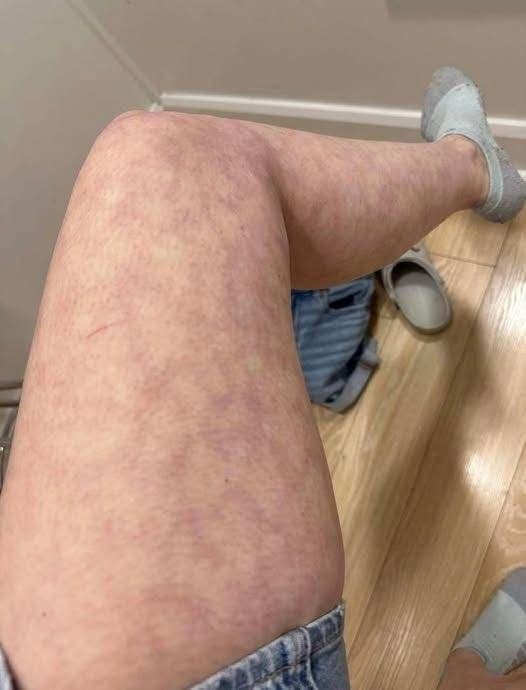
Below is a clear, medically responsible article explaining amoxicillin-related rash, its causes, consequences, and when to seek care.
Rash From Amoxicillin: Causes, Consequences, and What to Do
Amoxicillin is a commonly prescribed antibiotic used to treat bacterial infections. While it is generally safe and well tolerated, some people develop a skin rash while taking it. This reaction can be alarming, especially if it appears suddenly or worsens overnight.
Understanding the type of rash and its implications is essential for knowing whether it is harmless or requires immediate medical attention.
Why Amoxicillin Can Cause a Rash
An amoxicillin-related rash can occur for different reasons, and not all rashes indicate an allergy.
Common Causes Include:
- A delayed immune response to the medication
- Interaction with a viral infection (such as Epstein–Barr virus)
- True allergic reaction to penicillin-type antibiotics
The timing, appearance, and associated symptoms help determine the cause.
Types of Amoxicillin Rash
1. Non-Allergic (Benign) Rash
This is the most common type.
Characteristics:
- Flat or slightly raised pink or red spots
- Often appears 3–10 days after starting the medication
- Usually begins on the chest or back and spreads
- May worsen after sleeping due to heat and pressure
Consequences:
- Typically harmless
- Does not cause long-term damage
- Usually resolves within a few days after stopping the medication
This type of rash does not necessarily mean you are allergic to amoxicillin.
2. Allergic Rash (Hypersensitivity Reaction)
This type is more serious and requires medical attention.
Characteristics:
- Hives (raised, itchy welts)
- Rapid onset, often within hours
- Swelling of lips, face, or eyelids
- Intense itching
Consequences:
- Indicates a penicillin allergy
- Future exposure may cause more severe reactions
- Must be documented in medical records
3. Severe Allergic Reaction (Medical Emergency)
Rare but dangerous.
Warning Signs:
- Difficulty breathing
- Throat tightness
- Dizziness or fainting
- Rapid heartbeat
- Widespread blistering or skin peeling
This requires immediate emergency care.
Does Sleeping Make the Rash Worse?
Sleeping does not cause the rash, but it can intensify symptoms due to:
- Increased body heat
- Prolonged skin contact with bedding
- Reduced distraction from itching
This can lead to:
- More redness
- Increased itching
- Skin irritation from scratching
Potential Consequences If Ignored
Ignoring a rash while continuing amoxicillin may lead to:
- Worsening skin inflammation
- Increased discomfort and itching
- Risk of mislabeling a true allergy
- Delayed treatment if the reaction is severe
In allergic cases, continued use can increase the risk of a stronger reaction.
What to Do If You Develop a Rash
- Do not panic, but take the rash seriously
- Contact your healthcare provider before stopping the antibiotic
- Avoid scratching to prevent skin damage
- Use loose clothing and cool bedding
- Antihistamines may help itching if approved by a doctor
Never restart amoxicillin without medical guidance if a rash has occurred.
When to Seek Immediate Medical Help
Seek urgent care if the rash is accompanied by:
- Breathing difficulty
- Facial or throat swelling
- Fever with blistering skin
- Rapidly spreading hives
Final Thoughts
A rash from amoxicillin can range from mild and harmless to serious and allergic. While many rashes resolve without complications, proper evaluation is essential to protect your health and guide future antibiotic use.
If you want this rewritten for:
- Social media health content
- A patient handout
- Short-form educational posts
I can adapt it accordingly.