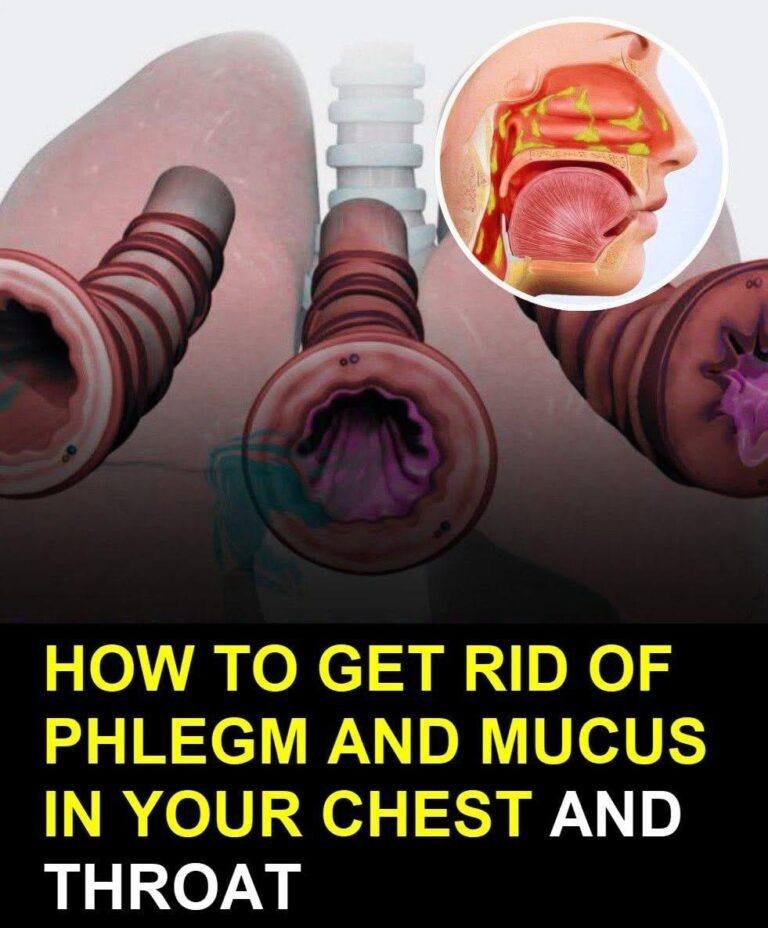
How to Naturally Clear Phlegm and Mucus from Chest and Throat
Excess mucus in the chest and throat can be uncomfortable and may result from colds, allergies, or respiratory infections. While medical treatment is necessary for severe or persistent cases, several natural remedies can help loosen mucus and relieve congestion.
1. Stay Hydrated
Drinking plenty of water helps thin mucus, making it easier to expel. Warm liquids, such as herbal teas or broths, can provide additional relief.
2. Steam Inhalation
Inhaling steam from a bowl of hot water or a warm shower helps loosen thick mucus in the chest and throat. Adding a few drops of eucalyptus oil can enhance the effect.
3. Saltwater Gargle
Gargling with warm salt water can soothe an irritated throat and help clear mucus. Mix about 1/2 teaspoon of salt in a cup of warm water and gargle several times a day.
4. Honey and Lemon
A mixture of honey and lemon in warm water can help soothe the throat and reduce irritation. Honey also has mild antibacterial properties that can support healing.
5. Use a Humidifier
Adding moisture to the air with a humidifier can prevent mucus from becoming thick and sticky, especially in dry environments.
6. Consume Anti-Inflammatory Foods
Foods like ginger, garlic, turmeric, and spicy peppers may help reduce inflammation and promote mucus clearance.
7. Gentle Chest Massage
Massaging the chest in circular motions can help loosen mucus in the lungs and make coughing more productive.
8. Elevate Your Head While Sleeping
Sleeping with your head slightly elevated can prevent mucus from pooling in the throat and chest overnight.
9. Avoid Mucus-Triggering Foods
Dairy, fried foods, and sugary items can sometimes increase mucus production in certain individuals. Reducing or avoiding them may help.
When to Seek Medical Attention
See a healthcare professional if you experience:
-
Thick, green, or bloody mucus
-
Shortness of breath or wheezing
-
Chest pain or fever
-
Symptoms lasting more than a week
Natural remedies can relieve mild congestion, but persistent or severe symptoms may indicate an underlying infection or condition that requires medical treatment.