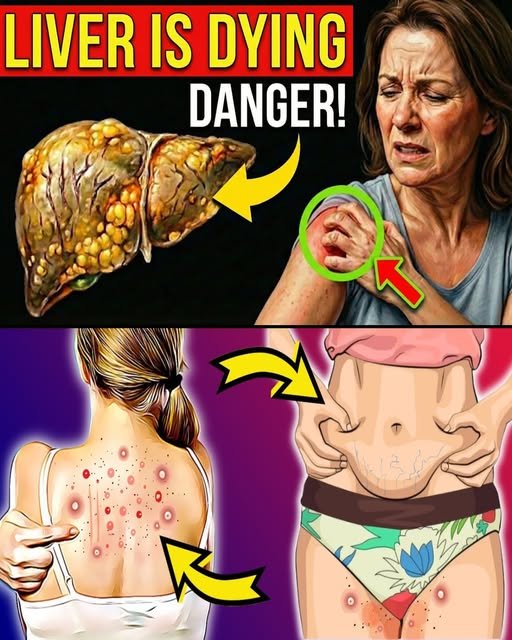
Silent Killer: 8 Hidden Signs of Serious Liver Damage You Should Not Ignore
The liver is one of the most resilient organs in the human body. It performs over 500 vital functions, including detoxification, metabolism, and nutrient storage. Because of its ability to compensate for damage, liver disease can progress quietly for years before symptoms become obvious. This is why it is often referred to as a “silent killer.”
Understanding the early and advanced warning signs of liver dysfunction can make the difference between reversible damage and life-threatening disease.
Why Liver Disease Often Goes Unnoticed
The liver has a remarkable capacity to regenerate and continue functioning even when partially damaged. In early stages, blood tests may show mild abnormalities while a person feels relatively normal. Symptoms usually appear only when liver function has significantly declined.
1. Persistent and Unexplained Fatigue
Chronic liver disease often causes deep, persistent fatigue that does not improve with rest. This is not ordinary tiredness but a constant lack of energy caused by impaired toxin removal and altered metabolism.
2. Yellowing of the Skin and Eyes (Jaundice)
Jaundice occurs when bilirubin builds up in the blood due to impaired liver processing. It is one of the most recognizable signs of liver dysfunction and usually indicates moderate to advanced disease.
3. Dark Urine and Pale or Clay-Colored Stool
When bile flow is disrupted, urine may become dark even with adequate hydration, while stool may appear pale or gray. These changes suggest problems with bile production or excretion.
4. Abdominal Pain or Swelling
Pain or discomfort in the upper right abdomen may result from liver enlargement or inflammation. Swelling of the abdomen, known as ascites, is caused by fluid accumulation and is a sign of advanced liver disease.
5. Easy Bruising and Bleeding
The liver produces proteins essential for blood clotting. When liver function declines, bruising may occur more easily, and minor cuts may bleed longer than normal.
6. Loss of Appetite and Persistent Nausea
Ongoing nausea, early fullness, or a noticeable loss of appetite can occur as toxins accumulate in the bloodstream. These symptoms are often subtle but persistent.
7. Chronic Itching Without a Rash
Severe itching without an obvious skin condition can result from bile salts accumulating under the skin. This symptom is commonly overlooked but can be an important warning sign.
8. Cognitive Changes and Brain Fog
As liver function worsens, toxins such as ammonia can affect the brain. Symptoms may include difficulty concentrating, memory problems, confusion, or personality changes, a condition known as hepatic encephalopathy.
Common Causes of Liver Damage
-
Fatty liver disease (alcoholic or non-alcoholic)
-
Chronic alcohol use
-
Viral hepatitis (B or C)
-
Long-term medication or toxin exposure
-
Autoimmune liver disease
-
Genetic conditions
When to Seek Medical Attention
Medical evaluation is essential if you experience:
-
Yellowing of the eyes or skin
-
Persistent abdominal swelling
-
Ongoing confusion or mental changes
-
Dark urine lasting several days
-
A history of heavy alcohol use or hepatitis
Early diagnosis through blood tests, imaging, and lifestyle intervention can prevent progression to cirrhosis or liver failure.
Final Thoughts
Despite its reputation as a “silent killer,” liver disease is often detectable and treatable when caught early. The liver’s ability to regenerate means that timely medical care, lifestyle changes, and appropriate treatment can significantly improve outcomes.
Ignoring persistent symptoms, however, allows damage to progress unnoticed. Awareness remains one of the most powerful tools for prevention.
If you want this adapted for a blog, health magazine, or SEO-optimized article, tell me the audience and tone and I will tailor it precisely.