The Telltale Symptoms of a Thyroid Disorder
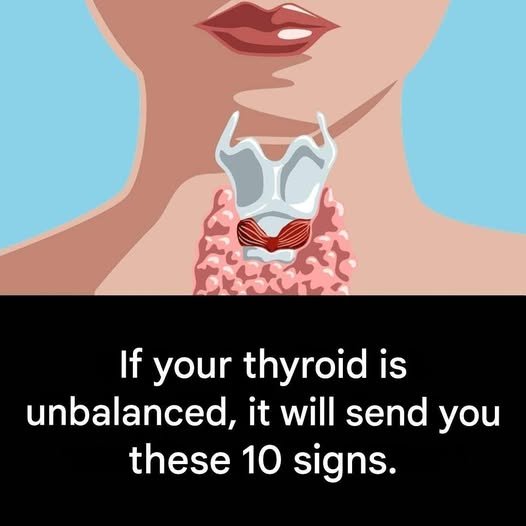
The thyroid is a small, butterfly-shaped gland located at the base of your neck. It produces hormones that regulate metabolism, energy levels, heart rate, and body temperature. When the thyroid produces too much or too little hormone, it can lead to noticeable symptoms.
There are two main types of thyroid disorders: hypothyroidism (underactive thyroid) and hyperthyroidism (overactive thyroid).
Symptoms of Hypothyroidism (Underactive Thyroid)
Hypothyroidism occurs when the thyroid does not produce enough hormones. Symptoms often develop slowly and may be mistaken for other conditions.
Common Symptoms
-
Persistent fatigue or sluggishness
-
Weight gain without changes in diet or activity
-
Cold intolerance (feeling unusually cold)
-
Dry, coarse skin
-
Hair thinning or hair loss
-
Constipation
-
Puffy face
-
Hoarseness
-
Depression or low mood
-
Slow heart rate
In Women
-
Irregular or heavy menstrual periods
-
Fertility problems
Symptoms of Hyperthyroidism (Overactive Thyroid)
Hyperthyroidism occurs when the thyroid produces too much hormone, speeding up body processes.
Common Symptoms
-
Unexplained weight loss
-
Rapid or irregular heartbeat (palpitations)
-
Nervousness, anxiety, or irritability
-
Tremors (shaking hands)
-
Increased sweating
-
Heat intolerance
-
Frequent bowel movements
-
Difficulty sleeping
-
Muscle weakness
In Severe Cases (Graves’ Disease)
-
Bulging eyes
-
Swelling at the base of the neck (goiter)
Other Warning Signs
Some symptoms can occur in both conditions:
-
Changes in appetite
-
Changes in menstrual cycle
-
Mood changes
-
Goiter (enlarged thyroid gland)
When to See a Doctor
You should consult a healthcare provider if you experience:
-
Persistent fatigue
-
Unexplained weight changes
-
Noticeable neck swelling
-
Irregular heartbeat
-
Ongoing mood changes
A simple blood test measuring TSH (thyroid-stimulating hormone) and thyroid hormone levels can help diagnose thyroid disorders.
Final Note
Thyroid disorders are common and treatable. Early detection and proper treatment can help prevent complications and restore normal hormone balance. If you suspect a thyroid issue, seek medical evaluation for accurate diagnosis and management.