Here is a clear, medically accurate article with age-based guidance and proper context.
What Is the Normal Blood Pressure for Each Age?
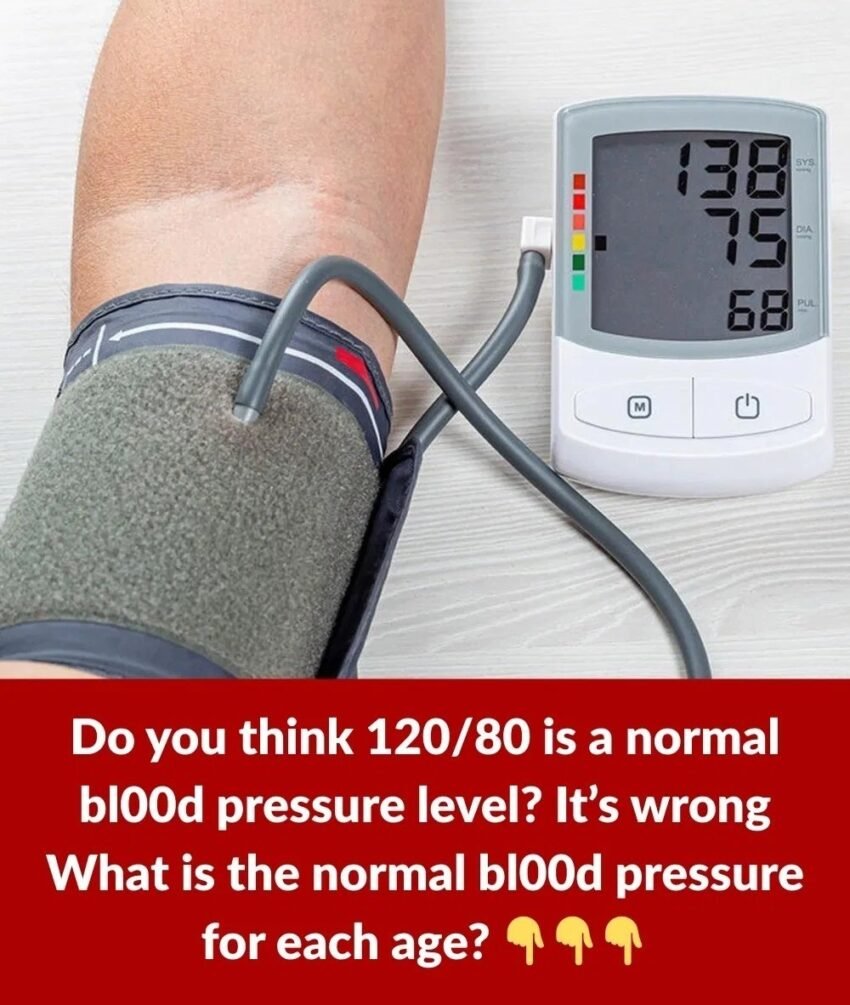
Blood pressure (BP) measures the force of blood pushing against artery walls. While blood pressure tends to increase with age, normal values are defined by health risk, not just age alone. Current medical guidelines use the same diagnostic thresholds for adults of all ages, but typical ranges do vary across the lifespan.
Understanding Blood Pressure Readings
A blood pressure reading has two numbers:
- Systolic pressure (top number): pressure when the heart beats
- Diastolic pressure (bottom number): pressure when the heart rests
Example: 120/80 mmHg
Normal Blood Pressure by Age Group
Children (1–12 years)
Normal blood pressure depends on age, height, and sex.
- Typical range:
- Systolic: 90–110 mmHg
- Diastolic: 55–75 mmHg
Pediatric blood pressure is assessed using percentile charts rather than fixed numbers.
Teenagers (13–17 years)
- Normal: Below 120/80 mmHg
- Elevated readings should be monitored, especially with obesity or family history.
Young Adults (18–39 years)
- Normal: Less than 120/80 mmHg
- Average healthy range: 110–120 / 70–80 mmHg
Middle-Aged Adults (40–59 years)
- Normal: Less than 120/80 mmHg
- Readings often trend slightly higher due to arterial stiffness, but elevated values are not considered normal.
Older Adults (60+ years)
- Normal: Less than 120/80 mmHg
- Many healthy older adults have readings around:
- 120–130 systolic
- 70–80 diastolic
Treatment targets may be individualized based on overall health, fall risk, and other conditions.
Blood Pressure Categories for Adults (All Ages 18+)
| Category | Systolic (mmHg) | Diastolic (mmHg) |
|---|---|---|
| Normal | <120 | <80 |
| Elevated | 120–129 | <80 |
| Hypertension Stage 1 | 130–139 | 80–89 |
| Hypertension Stage 2 | ≥140 | ≥90 |
| Hypertensive Crisis | ≥180 | ≥120 |
Important Clarifications
- There is no “normal high blood pressure for age.”
- Higher readings with age are common, but not harmless.
- Lower blood pressure is generally better, as long as it does not cause dizziness, fainting, or weakness.
When Blood Pressure Is Too Low
Low blood pressure may be a concern if accompanied by symptoms:
- Dizziness
- Fainting
- Blurred vision
- Fatigue
In such cases, medical evaluation is recommended.
How to Maintain Healthy Blood Pressure at Any Age
- Eat a balanced, low-sodium diet
- Exercise regularly
- Maintain a healthy weight
- Avoid smoking
- Limit alcohol intake
- Manage stress
- Monitor blood pressure regularly
When to See a Doctor
Seek medical advice if:
- Readings are consistently above 130/80 mmHg
- Blood pressure is suddenly very high or very low
- Symptoms such as chest pain, shortness of breath, or dizziness occur
Conclusion
Normal blood pressure is defined by health outcomes rather than age alone. While average readings may rise over time, the goal at every adult age is to keep blood pressure below 120/80 mmHg whenever safely possible. Regular monitoring and healthy lifestyle choices are key to long-term cardiovascular health.
If you want, I can also provide:
- A printable chart
- A simplified patient handout
- Guidance for home blood pressure monitoring