Here’s a clear, women-centered overview you can share or use as an educational piece.
Women Should Know About Endometriosis: Symptoms, Causes, and Management
Endometriosis is a common yet often misunderstood condition that affects millions of women worldwide. Many live with symptoms for years before getting a diagnosis. Understanding endometriosis can help women recognize symptoms early, seek care, and manage their health more confidently.
What Is Endometriosis?
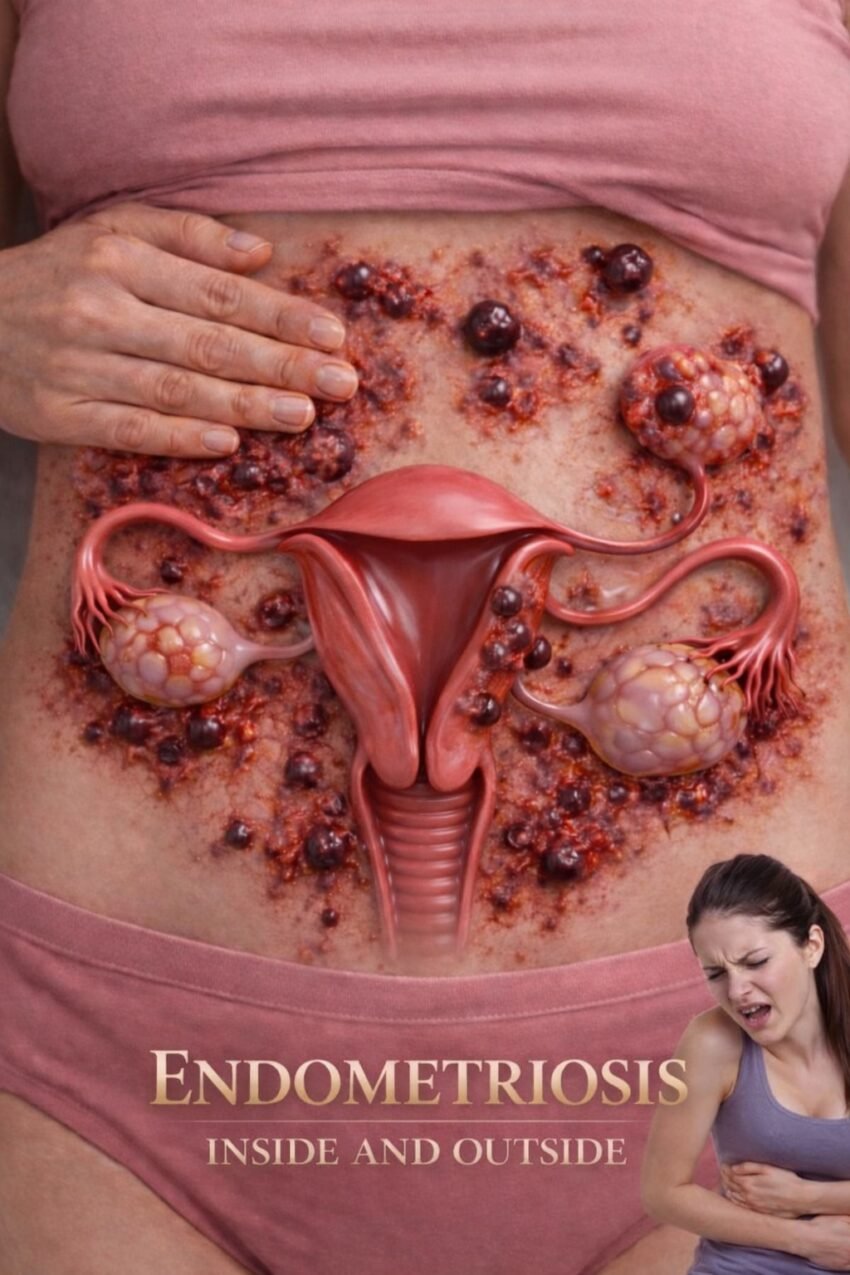
Endometriosis occurs when tissue similar to the lining of the uterus (endometrium) grows outside the uterus, commonly on the ovaries, fallopian tubes, pelvic lining, or intestines. This tissue responds to hormonal changes during the menstrual cycle, causing inflammation, pain, and sometimes scar tissue.
Common Symptoms
Symptoms vary widely—some women experience severe pain, while others have mild or no symptoms at all.
Common signs include:
- Painful periods (pelvic pain before or during menstruation)
- Chronic pelvic or lower back pain
- Pain during or after sex
- Heavy or irregular menstrual bleeding
- Painful bowel movements or urination (especially during periods)
- Bloating, nausea, or fatigue
- Difficulty getting pregnant (infertility)
⚠️ Severe period pain that interferes with daily life is not normal and deserves medical attention.
Possible Causes and Risk Factors
The exact cause of endometriosis is still unknown, but several factors may contribute:
- Retrograde menstruation (menstrual blood flowing backward into the pelvis)
- Genetic factors (higher risk if a close relative has it)
- Immune system issues
- Hormonal imbalances, especially excess estrogen
- Early onset of menstruation or short menstrual cycles
How Is Endometriosis Diagnosed?
Diagnosis can be challenging and often delayed. Doctors may use:
- Medical history and symptom review
- Pelvic exams
- Imaging tests (ultrasound or MRI)
- Laparoscopy, a minor surgical procedure, is the only definitive way to confirm endometriosis
Management and Treatment Options
There is no cure, but symptoms can often be managed effectively.
Medical Treatments
- Pain relievers (NSAIDs like ibuprofen)
- Hormonal therapies (birth control pills, hormonal IUDs, progestins)
- GnRH agonists/antagonists (to reduce estrogen levels)
Surgical Options
- Laparoscopic surgery to remove endometriosis tissue
- In severe cases, hysterectomy (usually a last resort)
Lifestyle and Supportive Care
- Regular exercise and gentle movement
- Anti-inflammatory diet
- Stress management (yoga, meditation)
- Heat therapy for pain relief
- Counseling or support groups for emotional well-being
Living With Endometriosis
Endometriosis can affect physical health, fertility, mental well-being, and quality of life. Early diagnosis, personalized treatment, and emotional support make a huge difference. If symptoms persist or worsen, advocating for yourself and seeking a specialist (such as a gynecologist experienced in endometriosis) is important.
Final Thoughts
Period pain that disrupts life should never be ignored. Awareness is powerful—when women understand endometriosis, they are better equipped to seek care, support one another, and live healthier, fuller lives.
If you want, I can:
- Simplify this for teens
- Turn it into a poster, brochure, or social media post
- Add a section on fertility and pregnancy
- Rewrite it for a medical or non-medical audience