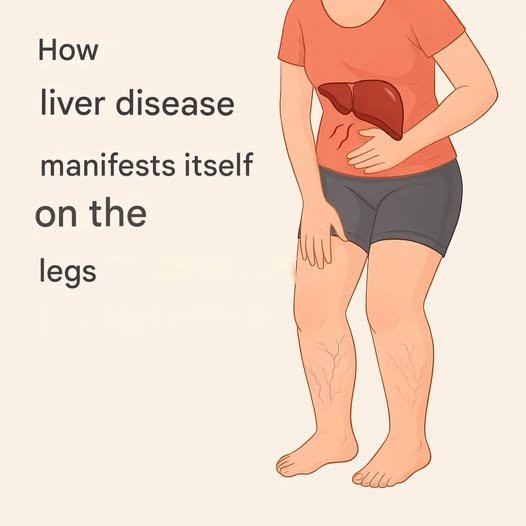
Your Legs Are Screaming “HELP!”: 5 Warning Signs From Your Liver
The liver is one of the most important organs in your body. It filters toxins, processes nutrients, regulates blood clotting, and supports metabolism. When the liver begins to struggle, the signs may not always appear where you expect. In some cases, your legs can show early warning signals.
Here are five leg-related symptoms that may indicate a liver problem.
1. Swelling in the Legs and Ankles (Edema)
One of the most common signs of advanced liver disease is fluid retention in the lower body.
When the liver is damaged, it may not produce enough albumin, a protein that helps keep fluid in your bloodstream. Low albumin levels can cause fluid to leak into surrounding tissues, leading to swelling in:
- Feet
- Ankles
- Lower legs
This swelling may worsen throughout the day and improve slightly after elevating your legs.
2. Itchy Skin on the Legs
Persistent itching, especially without a visible rash, can be linked to liver dysfunction.
When bile flow is impaired, bile salts can build up in the bloodstream and deposit in the skin. This can cause intense itching, often affecting:
- Lower legs
- Arms
- Back
The itching may be worse at night and may not respond well to regular moisturizers.
3. Easy Bruising on the Legs
If you notice bruises on your legs that appear easily or without clear injury, it may be related to impaired liver function.
The liver produces proteins necessary for blood clotting. When liver function declines, clotting ability decreases, making bruising more common and more noticeable, especially on the legs.
4. Spider Veins or Visible Blood Vessels
Small, spider-like blood vessels that appear on the skin can sometimes be associated with liver disease.
These are called spider angiomas and may appear on the legs, face, or chest. They are caused by hormonal imbalances and changes in blood vessel regulation that can occur when the liver is not functioning properly.
5. Muscle Cramps and Weakness
Frequent leg cramps or unexplained muscle weakness can sometimes be linked to liver disease.
Electrolyte imbalances, reduced nutrient absorption, and metabolic disturbances related to liver dysfunction can contribute to:
- Nighttime leg cramps
- Muscle fatigue
- General weakness
When to Seek Medical Attention
Leg symptoms alone do not automatically mean you have liver disease. However, you should consult a healthcare professional if these symptoms are combined with:
- Yellowing of the skin or eyes (jaundice)
- Persistent fatigue
- Dark urine
- Pale stools
- Abdominal swelling
Liver conditions such as fatty liver disease, hepatitis, or cirrhosis can often be managed more effectively when detected early.
Final Thoughts
Your legs can sometimes provide clues about what is happening inside your body. Swelling, itching, bruising, visible veins, and muscle cramps may all be worth paying attention to, especially if they persist or worsen.
If you are concerned about your symptoms, seeking medical advice and getting proper testing is the safest and most reliable way to protect your liver health.